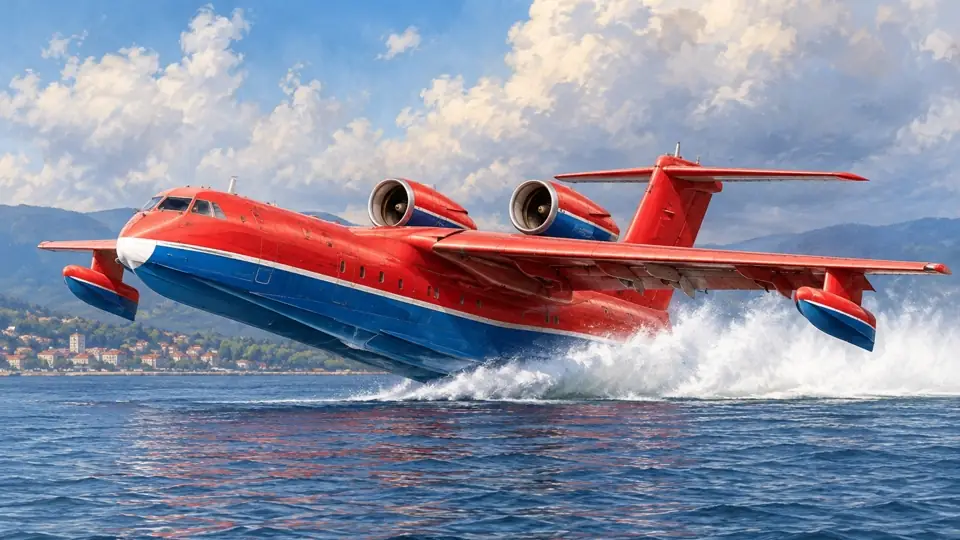
Jet-Powered Amphibious Aircraft
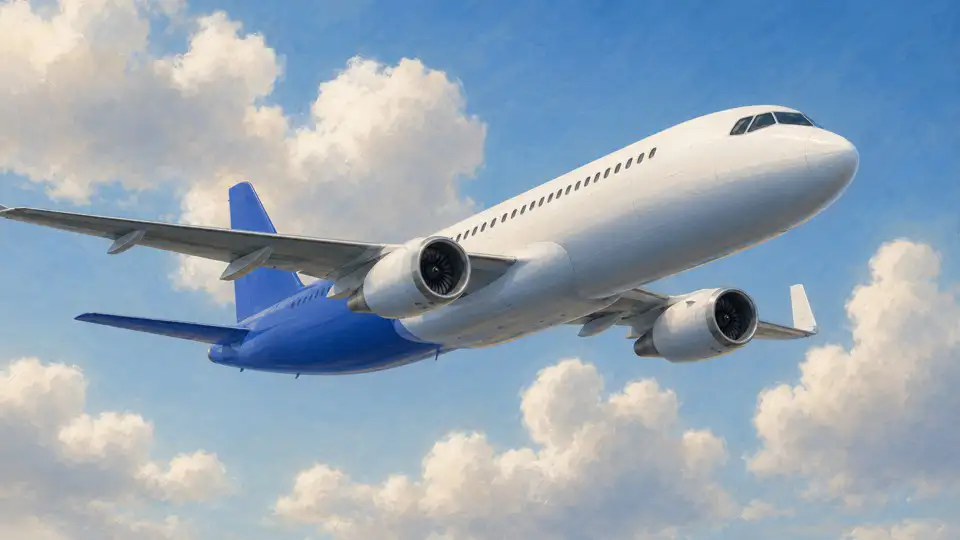
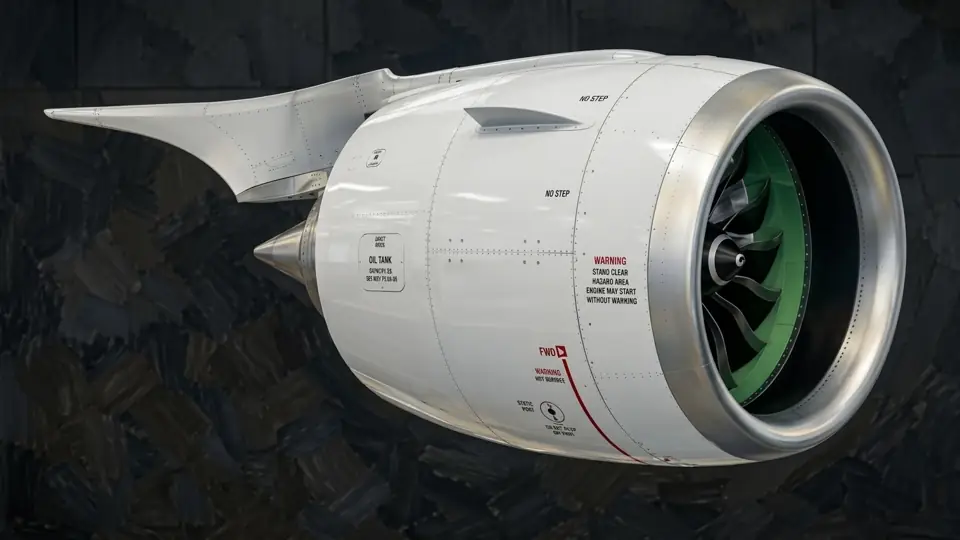
A multi-role, all-metal jet amphibious aircraft designed for operation from both conventional airfields and water surfaces. It features a high-wing configuration with a high-aspect-ratio wing, a boat-shaped lower fuselage with a two-step hull design, and retractable landing gear, enabling takeoffs and landings on both land and water. Two turbofan engines are mounted in nacelles above the wings, each generating a maximum thrust of approximately 7,500 kgf. With a length of 32.05 m, a wingspan of 32.78 m, and a maximum takeoff weight of up to 42 tonnes, the aircraft reaches speeds of up to 700 km/h and an altitude of 8,100 m; its ferry range extends to 3,500 km. The aircraft is equipped with a fire-suppression system featuring internal tanks with a combined capacity of up to 12 tonnes of water or fire-retardant fluid. Water is scooped directly from the water surface while planing via specialized intakes; the aircraft then returns to the fire site to release the water, either simultaneously or sequentially, from multiple tanks. Under suitable conditions, the aircraft can perform multiple water-scooping and release cycles during a single mission. In addition to firefighting, the aircraft's design supports cargo and personnel transport, search and rescue operations, environmental monitoring, and maritime patrol. The cargo cabin measures 18.7 m in length and up to 2.5 m in width, with a volume of 80.8 m³. To facilitate water-based operations, the airframe features a reinforced, corrosion-resistant structure. The aircraft can operate on bodies of water with a stretch of at least 2,700 m and a depth of 2.6 m or more, and takeoffs and landings are permitted with wave heights of up to 1.2 m.
Model Information
Anton Dubina
In Progress
Airplane
In Development
TBA